
Holiday parties in Old Town, Virginia, are always filled with fun, laughter, and celebration. But with the merriment comes the heightened risk of accidents, especially on the roads. After a night of festivities, many individuals turn to rideshare services like Uber and Lyft to get home safely. However, these services also come with the risk of accidents. When rideshare accidents occur—especially after a holiday party—the question arises: who is responsible for covering medical bills if you’re injured?






Virginia’s laws surrounding rideshare insurance can be confusing and challenging to navigate, especially when multiple insurance policies might be involved. In this blog post, we will explore the coverage provided by Uber and Lyft drivers, explain Virginia’s insurance laws, and guide you on what steps to take if you are injured in a rideshare accident. Whether you’re a passenger or involved in an accident with an Uber or Lyft driver, understanding your legal rights and the type of insurance that applies can significantly affect your recovery process.
Understanding Rideshare Insurance in Virginia 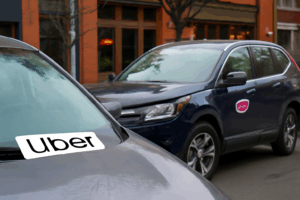
Rideshare drivers, while technically driving for a company, also have personal insurance policies. However, both Uber and Lyft provide additional coverage for their drivers, but the level of coverage depends on the stage of the ride and the specifics of the accident. Here’s a breakdown of the insurance that might apply depending on the driver’s actions at the time of the crash:
- The Driver Is Offline (Personal Use of the Vehicle)
If the Uber or Lyft driver is not logged into the app and is using their vehicle for personal purposes, their personal auto insurance is the primary insurance that will cover any accidents. In Virginia, personal car insurance policies often have lower liability limits than commercial insurance, meaning if an accident occurs, you might have limited compensation for your medical bills and other expenses. - The Driver Is Online but Waiting for a Ride Request
When the driver is logged into the Uber or Lyft app but has not yet accepted a ride, the rideshare company’s insurance provides liability coverage in the event of an accident. However, in this situation, Uber and Lyft’s insurance policies typically serve as secondary coverage. The driver’s personal insurance is the first to pay, but if it falls short, Uber or Lyft’s insurance will step in to cover the rest. This coverage usually includes up to $100,000 in liability per accident, which may cover your medical bills if you are injured during this period.
Whether you have been charged with a Criminal Offense, Serious Criminal Traffic Offense, or have been injured in an Accident that was not your fault, our First-Class Attorneys are not going to let you become a victim! With our experience, we will fight back, with you and for you, to get the results you deserve.Helping you fight back.




- The Driver Is En Route or Transporting a Passenger
When the driver is on their way to pick up a passenger or already has a passenger in the car, both the rideshare company’s and the driver’s insurance are active. In this case, Uber and Lyft provide up to $1 million in liability coverage for accidents, which should cover your medical bills, damages, and other related expenses. However, if the accident is caused by another driver, the other driver’s insurance might be responsible for paying.
What to Expect When Filing a Claim After a Rideshare Accident
Accidents involving rideshare services like Uber and Lyft can be complicated, especially when determining which party’s insurance is responsible. As mentioned above, Virginia follows an at-fault insurance system, meaning that the person responsible for the accident (the at-fault party) is liable for covering the damages.
- Understanding Virginia’s At-Fault System
Virginia’s at-fault system means that if the Uber or Lyft driver is at fault, their insurance—along with the rideshare company’s—would be responsible for paying your medical bills. If another driver causes the crash, that other driver’s insurance may be liable. However, the accident could also be partially or fully your fault, complicating matters further. - Personal Injury Protection (PIP) in Virginia
Unlike no-fault states, Virginia does not require drivers to carry Personal Injury Protection (PIP) insurance. In other words, PIP insurance, which covers medical bills regardless of fault, is optional. This means that if you are involved in a rideshare accident, you cannot rely on PIP for immediate compensation. Instead, you would need to file a claim through the at-fault party’s insurance or through your own health insurance. - Uninsured/Underinsured Motorist Coverage
In Virginia, drivers are required to have minimum liability insurance, but this doesn’t always mean that coverage is sufficient. If you’re involved in an accident with an underinsured or uninsured motorist, it may leave you with high medical bills and no way to cover them. However, if you carry uninsured or underinsured motorist coverage, your insurance can help pay for your medical bills and damages. Rideshare companies like Uber and Lyft often offer this type of coverage, which can further assist in paying medical bills if the other driver is at fault but lacks adequate insurance.
Choosing a Personal Injury Attorney Personal Injury Case TimelineRelated Videos
What Happens If You’re Injured in an Uber or Lyft Accident?
If you’ve been injured in an Uber or Lyft accident, the first step is always to seek immediate medical attention. Even if you don’t feel any immediate pain, injuries like whiplash or internal injuries may take hours or even days to manifest. Prompt medical treatment can also help establish a link between the accident and your injuries.
Once you’ve received medical attention, the next step is to gather all the information you can from the accident. This includes obtaining the names and contact details of all parties involved, collecting witness statements, and getting a copy of the police report. Additionally, be sure to take photos of the accident scene, vehicle damage, and any visible injuries you may have sustained.
After you’ve gathered all the necessary information, you’ll need to file a claim with the appropriate insurance companies. If the rideshare driver is at fault, you may need to contact Uber or Lyft directly to initiate a claim with their insurance provider.
What Happens if You Are Denied Coverage?
It’s common for insurance companies to either deny or underpay claims, especially when multiple policies are involved. If your claim is denied, don’t be discouraged. You still have options:
- Appeal the Denial
Insurance companies are obligated to review the circumstances surrounding the claim. If they deny your claim, you can appeal the decision. In the appeal process, you will need to provide all documentation that proves your injuries were caused by the accident and that the insurance policy should cover your medical bills. - File a Lawsuit
If the appeal is unsuccessful, the next step may be to file a lawsuit. In Virginia, you have two years from the date of the accident to file a personal injury lawsuit, so it’s essential to act quickly. A skilled personal injury attorney can help you build a strong case and ensure that all the necessary documentation and evidence are submitted.
How a Personal Injury Attorney Can Help You
Navigating the claims process, especially when multiple insurance policies are involved, can be overwhelming. A personal injury attorney who is experienced in rideshare accidents can help you at every stage of the process. They will investigate the cause of the accident, identify the responsible parties, and work to ensure you receive fair compensation for your medical bills, lost wages, and pain and suffering.
- Maximizing Compensation
A personal injury attorney will help ensure you don’t settle for less than what you’re entitled to. They will negotiate with insurance companies on your behalf to maximize the compensation you receive. If necessary, they can also take your case to court. - Filing a Lawsuit
If your case goes to court, having an attorney who specializes in rideshare accidents can make a significant difference. They will present a compelling case and fight for your right to compensation.
What You Should Do Immediately After a Rideshare Accident
If you’re involved in a rideshare accident, it’s crucial to take immediate action. Here’s a step-by-step guide to what you should do:
- Call Emergency Services
Always call the police and paramedics immediately after an accident. This ensures that you receive medical care and that a police report is filed. A police report can be a vital piece of evidence when filing an insurance claim or pursuing a lawsuit. - Exchange Information
Be sure to exchange contact and insurance details with the rideshare driver, other drivers involved in the crash, and any witnesses who may have seen the accident. - Take Photos
Document everything. Take photos of the vehicles, the accident scene, and your injuries. The more evidence you have, the better. - Seek Medical Attention
Even if you don’t feel injured, it’s essential to see a doctor. Some injuries don’t show symptoms immediately. - Contact a Personal Injury Lawyer
Consulting with a personal injury lawyer experienced in rideshare accidents will ensure that your rights are protected. They can help guide you through the complex process and make sure you get the compensation you deserve.
The aftermath of an Uber or Lyft crash, especially one that occurs after a holiday party, can be confusing and overwhelming. However, understanding Virginia’s rideshare insurance laws and taking the necessary steps to file a claim or pursue a lawsuit can help ensure that your medical bills are paid and that you are compensated for your injuries.
At NovaLegalGroup, P.C., we specialize in personal injury cases involving rideshare services. If you’ve been injured in a rideshare accident in Old Town, Virginia, contact us for a free consultation. We are here to protect your rights and help you recover the compensation you deserve.