
March is an unpredictable month for drivers in Virginia. As winter gives way to spring, conditions on the roads can shift rapidly, leading to an uptick in car accidents. NovaLegalGroup, P.C., a law firm with years of experience in helping clients recover from the aftermath of car accidents, often sees a significant rise in claims during this time. Several factors contribute to this surge, including fluctuating weather, increased road traffic, and even changes in daylight hours. Understanding why March sees more accidents can help drivers make safer decisions and protect themselves from being caught in dangerous situations.






1. Unpredictable Weather Conditions in March 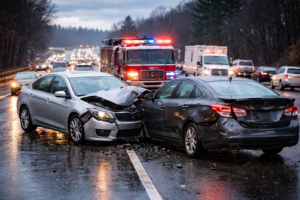
The transition from winter to spring can be one of the most challenging periods for Virginia drivers. While many look forward to the warmer temperatures of spring, March often brings fluctuating weather patterns that can create hazardous driving conditions. For those on the road, these changing conditions pose serious risks.
- Icy Roads and Freezing Temperatures: In the early days of March, Virginia still experiences cold temperatures that can cause ice to form on the roads, particularly in the early mornings and evenings. Bridges and overpasses are especially vulnerable to freezing, creating dangerous black ice patches that are difficult to spot. Drivers unfamiliar with these conditions may not react quickly enough, leading to skidding or loss of control.
- Rain and Wet Conditions: Alongside the possibility of freezing temperatures, March often brings heavy rain showers. Wet roads can reduce tire traction, increasing the chances of hydroplaning. When standing water accumulates, vehicles can easily lose control, especially if drivers are traveling at higher speeds or are caught off guard by sudden changes in weather.
March’s unpredictable weather means that drivers need to be extra vigilant. Knowing that conditions can change rapidly from clear skies to rain or ice should encourage cautious driving habits, particularly in the early mornings or late evenings when visibility may be impaired.
Whether you have been charged with a Criminal Offense, Serious Criminal Traffic Offense, or have been injured in an Accident that was not your fault, our First-Class Attorneys are not going to let you become a victim! With our experience, we will fight back, with you and for you, to get the results you deserve.Helping you fight back.




2. Increased Traffic Due to Spring Break Travelers
As March marks the beginning of spring break, drivers in Virginia face higher traffic volumes. Families, students, and vacationers flood the highways, making it a particularly dangerous time to travel. The increased number of vehicles on the road naturally results in more accidents.
- Higher Traffic Volume and Congestion: Spring break often leads to increased congestion on major roads as families and college students hit the road for vacations. With more vehicles sharing the road, the risk of rear-end collisions, side-swipes, and even pile-ups increases. These accidents can occur in congested areas, where drivers may fail to maintain adequate stopping distance or get distracted in heavy traffic.
- Unfamiliar Drivers and Distracted Behavior: With many drivers on the road who are not familiar with Virginia’s roadways, the likelihood of mistakes increases. Distracted driving—whether from using phones, navigating, or simply being distracted by vacation plans—can lead to dangerous driving behaviors. Unfamiliar drivers may also struggle with directions, making last-minute lane changes or unsafe merges, increasing the risk of accidents.
Spring break travelers may not be the most familiar with the area, and that unfamiliarity, combined with heavy traffic, creates a perfect storm for accidents. Whether traveling on I-95, I-66, or other major roads in Virginia, it’s essential for all drivers to stay vigilant and focused on the road.
We are very pleased with the outstanding legal services provided by NovaLegalGorup and specifically Josh Wilson, Esq. He handled our very complex case professionally and gave us the utmost confidence in the outcome from our first discussion. He skillfully guided us through the process and of course achieved the outcome we needed. We strongly recommend Mr. Wilson and NovaLegalGroup.” - David & Kim The best law firm in the area for what they do. my opinion: Service received from this Law Firm was unique and satisfactory: Spencer Reiss provides professional advice, communicates with his clients, and is very knowledgeable and experienced in the field. The rest of the staff is very friendly and does their best to get you the answers you need." - Derek Van De Walle Joshua Wilson and Christopher Jacob are the two attorneys that I have been working with from Nova Legal Group. I have been very impressed so far, I have absolute confidence I could not have made a better choice. I definitely recommend this firm to anyone who may require their services." - Brian Mills
3. Daylight Saving Time and Its Effects on Drivers
The shift to daylight saving time (DST) in March is another contributing factor to the rise in car accident claims. While the change in time provides more daylight in the evenings, it also disrupts the body’s natural rhythms. For drivers, this can translate into sleep deprivation and reduced alertness.
- Early Morning Darkness: The shift in time means that many drivers are still commuting in the early morning hours when the sun is not yet up. Reduced visibility can make it harder to spot road hazards, pedestrians, or other vehicles. Drivers who are not used to driving in the dark may fail to account for these conditions, resulting in accidents.
- Sun Glare and Afternoon Fatigue: On the other end of the spectrum, the longer daylight hours can lead to sun glare during the evening commute. This can impair drivers’ ability to see clearly, particularly when the sun is low in the sky. Sun glare can be especially hazardous for drivers with poor eyesight or those who are fatigued after a long workday. The shift in the timing of the sun’s rise and set can exacerbate these conditions, making March a more dangerous month for those on the road.
Daylight saving time not only affects sleep schedules but also impacts driving behavior. Drivers may struggle with drowsiness in the morning or evening, leading to slower reaction times and an increased risk of accidents.
Choosing a Personal Injury Attorney Personal Injury Case TimelineRelated Videos
4. Distractions and Increased Pedestrian Activity in Spring
Springtime in Virginia brings more than just an increase in vehicle traffic—it also marks the return of outdoor activities. As the weather warms, more pedestrians, cyclists, and motorcyclists take to the streets, making the roads busier and more complex to navigate. For drivers, the presence of pedestrians and cyclists is a critical factor to watch for, especially in busy areas and near schools or parks.
- Increased Pedestrian Activity: As the weather warms, pedestrians begin to flood public spaces, walking along roadways, waiting at bus stops, or crossing streets. Drivers who are distracted or not paying close attention may fail to notice these pedestrians, leading to avoidable accidents. Pedestrians are often at higher risk of injury due to the vulnerability of being on foot.
- Cyclists and Motorcyclists on the Roads: In addition to pedestrians, cyclists and motorcyclists are also more common in the spring months. While these individuals are often more visible in the warm weather, they can also be harder to spot in traffic, especially when they are sharing lanes with cars. Motorcycles, in particular, are more vulnerable to being hit by distracted drivers who fail to notice them in time.
For drivers, March is a reminder to be aware of all road users, not just other cars. Being mindful of pedestrians, cyclists, and motorcyclists—who are often out in larger numbers in spring—can help reduce the risk of accidents.
5. Fatigue from Winter and Mental Exhaustion
After months of harsh winter conditions, many drivers feel mentally and physically exhausted by the time March arrives. While spring promises warmer weather and a break from snow and ice, drivers may still be recovering from the winter months, which can make them less focused and alert behind the wheel.
- Mental Fatigue from Winter: Winter driving can be taxing, as drivers must be extra cautious in icy or snowy conditions. By the time March arrives, the mental strain from dealing with winter weather and shorter daylight hours can take a toll. This fatigue can impair decision-making, making drivers slower to react to changing road conditions or other vehicles.
- Impaired Decision-Making and Slower Reaction Time: Fatigue, whether from long winter months or disrupted sleep schedules due to daylight saving time, can lead to slower reaction times and poor judgment. Drivers may take unnecessary risks, such as speeding or failing to yield, due to reduced awareness of their surroundings.
The combination of winter fatigue and the stress of dealing with fluctuating weather in March can make it harder for drivers to remain focused on the road. Staying well-rested and alert is crucial for safety during this time.
6. The Transition from Winter to Spring Tires
In March, many drivers in Virginia still have winter tires on their vehicles, even though the weather is starting to warm up. This can be a dangerous practice, as winter tires are not designed for the conditions typically found in the spring.
- Winter Tires in Warmer Weather: Winter tires provide excellent traction in cold, snowy conditions, but they tend to perform poorly in warmer weather. The softer rubber compounds of winter tires wear faster in warmer temperatures, and their tread patterns are not ideal for wet or dry conditions. This can lead to longer stopping distances and decreased handling, which can increase the risk of accidents.
- Importance of Tire Maintenance: As spring approaches, it is essential for drivers to switch to the appropriate tires for the season. All-season or summer tires are better equipped for handling the wet and dry conditions of March. Ensuring that tires are properly inflated and in good condition can help improve vehicle control and reduce the likelihood of an accident.
How to Protect Yourself on the Road in March
With the variety of factors that contribute to the surge in car accidents in Virginia during March, it’s essential for drivers to take extra precautions. Whether it’s the unpredictable weather, increased traffic, or changes in daylight, being aware of these challenges can help you make safer decisions while on the road. NovaLegalGroup, P.C. offers the following safety tips:
- Stay informed about the weather forecast and road conditions before you travel.
- Ensure your vehicle is equipped with the right tires for the season.
- Avoid using your phone or becoming distracted while driving.
- Be extra cautious around pedestrians, cyclists, and motorcyclists.
- Get plenty of rest to avoid driving while fatigued.
By taking these proactive steps, you can reduce the chances of being involved in an accident and ensure your safety throughout the month of March.