
During the holidays, tensions within families can run high, leading to misunderstandings or even violent outbursts. Unfortunately, in some cases, these conflicts escalate to the point of an arrest. Being Arrested After a Family Dispute Over the Holidays can be overwhelming, and it’s important to understand how the legal system handles these matters. One key element to consider is the issuance of protective orders and no-contact terms. These legal provisions are designed to prevent further harm but can also significantly impact the outcome of your case, whether criminal or civil.





What is a Protective Order? 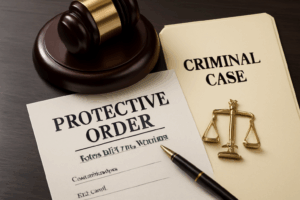
A protective order is a court-issued directive designed to protect an individual from harm, harassment, or abuse. Often issued in the context of domestic violence, these orders can apply to various situations, including family disputes, stalking, and harassment. After an arrest related to a family altercation, the court may issue an emergency protective order (EPO) to safeguard the alleged victim. Protective orders can also be extended or made permanent depending on the circumstances.
There are different types of protective orders:
- Emergency Protective Orders (EPOs): Issued immediately after an arrest, an EPO is typically temporary, lasting 72 hours or less, giving the court time to assess the situation and determine whether further legal action is necessary.
- Preliminary Protective Orders: These orders are issued to offer continued protection while the court schedules a hearing, usually lasting up to 15 days.
- Permanent Protective Orders: After a full court hearing, the judge may issue a permanent protective order that can last for one to two years or longer. These are typically the most stringent and difficult to contest.
Each type of protective order comes with different restrictions and conditions, and violating these orders can result in severe legal consequences, including additional criminal charges.
Whether you have been charged with a Criminal Offense, Serious Criminal Traffic Offense, or have been injured in an Accident that was not your fault, our First-Class Attorneys are not going to let you become a victim! With our experience, we will fight back, with you and for you, to get the results you deserve.Helping you fight back.




No-Contact Terms: An Essential Component of Protective Orders
No-contact terms are often included as part of a protective order and can have a far-reaching impact on your personal life. These terms prevent you from engaging in any form of contact with the protected individual, either directly or indirectly. This includes not only face-to-face interactions but also contact through electronic means like phone calls, text messages, or social media. In some cases, it can even extend to third-party contact, meaning you cannot have someone else contact the individual on your behalf.
No-contact terms are not just a formality; they are enforced strictly by the legal system. Violating a no-contact order can lead to criminal charges, additional arrest, and even jail time. This can significantly hurt your case, especially if the violation occurs while the case is still pending. Furthermore, violating no-contact terms can make it more challenging to defend yourself in court, as it could be used as evidence that you failed to comply with the court’s authority and the protection of the alleged victim.
The Consequences of Protective Orders and No-Contact Terms on Your Case
The impact of a protective order and no-contact terms extends beyond the immediate legal restrictions. Depending on your case and whether criminal or family law is involved, these terms can alter the trajectory of your legal proceedings. Here’s how they can affect your case:
We are very pleased with the outstanding legal services provided by NovaLegalGorup and specifically Josh Wilson, Esq. He handled our very complex case professionally and gave us the utmost confidence in the outcome from our first discussion. He skillfully guided us through the process and of course achieved the outcome we needed. We strongly recommend Mr. Wilson and NovaLegalGroup.” - David & Kim The best law firm in the area for what they do. my opinion: Service received from this Law Firm was unique and satisfactory: Spencer Reiss provides professional advice, communicates with his clients, and is very knowledgeable and experienced in the field. The rest of the staff is very friendly and does their best to get you the answers you need." - Derek Van De Walle Joshua Wilson and Christopher Jacob are the two attorneys that I have been working with from Nova Legal Group. I have been very impressed so far, I have absolute confidence I could not have made a better choice. I definitely recommend this firm to anyone who may require their services." - Brian Mills
Criminal Defense and Protective Orders
In a criminal case, a protective order can be both a challenge and an opportunity for your defense. If the order was issued based on the allegations of abuse or threats made during the family dispute, it will likely be used against you in court. The presence of a protective order can indicate to the judge that there is a history of violence or threats, even if you disagree with the allegations.
On the other hand, if you believe the protective order was unjustly issued, it is possible to contest it in court. Your attorney may argue that the order was based on false claims or a misunderstanding, and provide evidence to support your position. However, challenging a protective order is a complex process, and it’s essential to have an experienced attorney to guide you through it.
Impact on Family Law and Child Custody
In family law cases, especially those involving child custody disputes, having a protective order in place can negatively affect your standing in the case. Family courts tend to take protective orders seriously, and if there’s evidence of domestic violence or other dangerous behavior, it can influence the judge’s decisions about custody and visitation.
If you are a parent involved in a custody battle, the court may restrict your access to your children or impose supervised visitation to ensure their safety. In the worst-case scenario, a permanent protective order could lead to a complete loss of custody or the imposition of restrictive visitation terms.
Choosing a Criminal Defense Attorney Bailing Someone Out of JailRelated Videos
How Violating a No-Contact Order Can Worsen Your Situation
Violating a no-contact order can have serious legal consequences. Even if the violation is unintentional, such as an accidental encounter in public or a text message sent out of frustration, the law treats it as a breach of the court’s authority. If you are arrested for violating a no-contact order, you may face additional criminal charges, which could lead to extended jail time or even a more severe criminal record.
In addition, violating a no-contact order can hurt your credibility in court, especially if the violation occurs while your case is pending. The judge may see it as evidence that you are unwilling to comply with legal authority or that you continue to pose a threat to the protected individual. This could negatively affect your defense and potentially lead to harsher penalties.
Steps to Take After an Arrest Involving a Protective Order
If you find yourself arrested and subject to a protective order or no-contact terms, it’s crucial to take immediate action to protect your rights and ensure the best possible outcome for your case.
1. Consult an Experienced Criminal Defense Attorney
The first step after an arrest is to contact a qualified criminal defense attorney. A lawyer with experience in criminal and family law can provide valuable guidance on how to navigate the complexities of protective orders and no-contact terms. They will be able to assess the specific facts of your case and help you build a strategy for challenging the order or minimizing the impact on your case.
2. Comply with the Terms of the Protective Order
While it’s important to consult with your attorney about your options, it’s equally important to comply with the terms of the protective order. Violating the order will only make your situation worse and could lead to additional criminal charges. If you are unsure about what constitutes a violation, discuss it with your attorney to ensure you understand the boundaries set by the court.
3. Document Any Interactions or Incidents
Keep a record of any interactions related to the protective order. This includes any attempts to contact the protected individual or incidents where the order was violated. While it’s essential to follow the terms of the order, documenting your experiences can help your attorney build a case to contest the order if necessary.
4. Prepare for Future Court Hearings
If your case proceeds to trial, you will need to be well-prepared for future hearings. This includes gathering evidence that supports your innocence or challenges the validity of the protective order. Your attorney will work with you to ensure that you present the strongest possible defense and avoid making mistakes that could negatively affect your case.
Being arrested after a family dispute, particularly during the holidays, can lead to complex legal issues, especially when protective orders and no-contact terms are involved. These legal provisions are designed to protect individuals, but they can also limit your rights and complicate your case. Understanding how these orders work, how to comply with them, and how to challenge them is essential to achieving a favorable outcome.
If you are facing legal challenges related to a family dispute, protective orders, or no-contact terms, NovaLegalGroup, P.C. is here to help. Our experienced attorneys can guide you through the legal process, helping you understand your rights and options. Contact us today for a free consultation.