
When a spring car accident occurs in Virginia, insurance companies immediately begin investigating the claim. NovaLegalGroup, P.C. guides drivers through the insurance process, helping ensure evidence is properly documented, injuries are evaluated, and claims are accurately filed. Knowing what adjusters look for can help you protect your rights, maximize compensation, and avoid delays or claim disputes.



Understanding the Insurance Process in Virginia 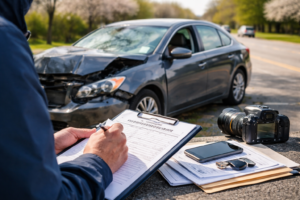
Virginia operates under a fault-based system, which means the driver responsible for the accident is financially liable for damages. Insurance companies will collect police reports, witness statements, and property damage estimates to determine liability. Adjusters review your medical treatment, repair estimates, and any related documentation to decide on compensation. Filing a claim quickly and accurately ensures the investigation starts on solid footing. For Virginia drivers seeking guidance on post-accident steps, visit https://www.novalegalgroup.com/steps-to-take-after-an-automobile-accident/.
Types of Evidence Adjusters Review
Insurance adjusters are thorough when evaluating a claim. They review:
- Detailed police reports
- Photographs of vehicle damage and the scene
- Witness contact information and statements
- Medical documentation, including tests and doctor notes
- Repair estimates and invoices
Thorough documentation increases credibility and can prevent disputes over coverage or claim value. NovaLegalGroup, P.C. recommends keeping digital and physical copies of every relevant document.
Assessing Vehicle Damage
Vehicle damage assessment is a critical step in spring accident claims. Seasonal weather in Virginia—such as rain, pollen, or debris on roads—can contribute to accidents, influencing how adjusters evaluate responsibility. Adjusters examine:
- Dents, scratches, and structural damage
- Pre-accident vehicle condition
- Shop estimates or appraisals
Proper documentation through photos or videos helps substantiate the claim and can speed up settlement approval. Maintaining organized records ensures that your insurer has all necessary evidence to determine fair compensation.
Whether you have been charged with a Criminal Offense, Serious Criminal Traffic Offense, or have been injured in an Accident that was not your fault, our First-Class Attorneys are not going to let you become a victim! With our experience, we will fight back, with you and for you, to get the results you deserve.Helping you fight back.




Medical Verification and Injury Assessment
Insurance companies closely evaluate medical claims to verify the extent of injury and treatment costs. They look for:
- Emergency room and hospital records
- Diagnostic tests such as X-rays or MRIs
- Therapy and follow-up care documentation
Adjusters confirm that injuries are consistent with the accident and treatment received. Working with NovaLegalGroup, P.C. ensures that medical documentation is complete and properly submitted to avoid delays or disputes. For more information on handling personal injury claims, visit https://www.novalegalgroup.com/handling-personal-injury-cases/.
Communication With the Insurance Company
It is important to communicate carefully with insurers. They may request statements about the accident, but providing incomplete or speculative information can affect the claim. Guidelines include:
- Stick to factual, verifiable information
- Avoid admitting fault
- Maintain written records of all correspondence
Consulting an attorney before giving recorded statements can protect your rights. NovaLegalGroup, P.C. offers experienced legal guidance to navigate these communications effectively. Learn more at https://www.novalegalgroup.com/personal-injury-tips-on-dealing-with-insurance-companies/.
Settlement Offers and Negotiation
After assessing damages and injuries, insurers issue settlement offers. Adjusters consider multiple factors:
- Vehicle repair or replacement costs
- Medical treatment expenses and future care
- Lost wages and income
- Pain, suffering, and emotional distress
Initial offers may underestimate actual losses, and an attorney can help negotiate a fair settlement. NovaLegalGroup, P.C. specializes in evaluating claims to ensure fair compensation is obtained. See https://www.novalegalgroup.com/accident-injury-claim-how-much-compensation-may-be-awarded/ for more.
We are very pleased with the outstanding legal services provided by NovaLegalGorup and specifically Josh Wilson, Esq. He handled our very complex case professionally and gave us the utmost confidence in the outcome from our first discussion. He skillfully guided us through the process and of course achieved the outcome we needed. We strongly recommend Mr. Wilson and NovaLegalGroup.” - David & Kim The best law firm in the area for what they do. my opinion: Service received from this Law Firm was unique and satisfactory: Spencer Reiss provides professional advice, communicates with his clients, and is very knowledgeable and experienced in the field. The rest of the staff is very friendly and does their best to get you the answers you need." - Derek Van De Walle Joshua Wilson and Christopher Jacob are the two attorneys that I have been working with from Nova Legal Group. I have been very impressed so far, I have absolute confidence I could not have made a better choice. I definitely recommend this firm to anyone who may require their services." - Brian Mills
Factors Unique to Spring Accidents
Virginia’s spring weather creates specific challenges. Rain, pollen, and lingering road debris may contribute to collisions. Adjusters consider:
- Weather conditions on the day of the accident
- Road hazards such as potholes or debris
- Visibility and traffic flow
These environmental factors can influence fault determination and claim settlements. Drivers who document these conditions help strengthen their claims.
Documenting Your Claim Effectively
Complete and organized documentation is key to a successful claim. Steps include:
- Photographing all damage from multiple angles
- Collecting witness statements and contact details
- Keeping detailed medical treatment records
- Saving receipts and repair estimates
This evidence supports the claim, reduces disputes, and ensures the insurance company has the information needed to make a fair evaluation.
Legal Support for Virginia Drivers
Insurance claims can be complex, particularly when injuries are serious or liability is contested. Contacting an attorney early can prevent mistakes and protect your rights. NovaLegalGroup, P.C. offers experienced legal support for drivers throughout Virginia, assisting in documentation, negotiations, and potential litigation. Learn more at https://www.novalegalgroup.com/steps-to-take-after-sustaining-a-personal-injury/.
Choosing a Personal Injury Attorney Personal Injury Case TimelineRelated Videos
Spring car accidents in Virginia present unique challenges, from weather-related factors to extensive documentation requirements. Understanding how insurance companies evaluate claims—including vehicle damage, medical records, and liability—helps drivers protect their interests. With guidance from NovaLegalGroup, P.C., drivers can navigate the claims process confidently, ensuring accurate settlements and proper protection of their rights.
Disclaimer: This content is for informational purposes only and does not constitute legal advice. Consult a licensed attorney for guidance on your specific situation.