
Spring rain increases the hazards on Virginia roads, and being struck by a distracted driver can lead to serious injury and significant financial loss. NovaLegalGroup, P.C. assists clients in collecting critical evidence to build strong claims and pursue compensation. From documenting the accident scene to medical records and witness statements, understanding the proper evidence collection process is vital to protect your rights after a crash. This guide explains the essential types of evidence, how to preserve them, and the steps to take immediately following a collision during rainy spring conditions.




Understanding Distracted Driving in Virginia: 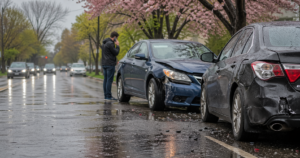
Distracted driving is a leading cause of traffic accidents in Virginia. When the roads are wet during spring showers, even minor lapses in attention can result in severe collisions. Drivers may become distracted by mobile devices, GPS navigation, adjusting climate controls, eating, or even conversations with passengers. Virginia law recognizes distracted driving as negligence, and establishing that a driver was inattentive can form the basis for an injury claim. Combining the driver’s distraction with inclement weather conditions makes it especially important to gather evidence that shows how the accident occurred, the extent of damages, and the resulting injuries.
Documenting the Scene Thoroughly:
Immediate documentation of the accident scene is one of the most crucial steps after a crash. Take comprehensive photographs and videos of all relevant aspects. Capture vehicle damage from multiple angles, noting both visible and hidden damage. Document road conditions, including wet surfaces, puddles, or areas where water may have caused loss of traction. Photograph traffic signals, lane markings, nearby signage, and any skid marks or debris resulting from the collision. Detailed visual records help recreate the accident scene, providing insurers and courts with clear evidence of environmental conditions, driver behavior, and the impact of the collision. It is important to collect this information as soon as possible while conditions remain unchanged.
Whether you have been charged with a Criminal Offense, Serious Criminal Traffic Offense, or have been injured in an Accident that was not your fault, our First-Class Attorneys are not going to let you become a victim! With our experience, we will fight back, with you and for you, to get the results you deserve.Helping you fight back.




Gathering Eyewitness Accounts:
Witness testimony can be a critical factor in establishing liability. Seek out witnesses immediately and obtain their full names, contact information, and detailed statements regarding what they observed. Witnesses can offer independent confirmation of the distracted driver’s actions, speed, or disregard for road conditions, as well as observations about your behavior and the positioning of vehicles immediately after the collision. Credible eyewitness accounts may counter claims from the opposing party and provide additional clarity in disputed circumstances, reinforcing your position in insurance negotiations or legal proceedings.
Obtaining a Police Report:
Always notify local law enforcement of the accident and request that a police report be prepared. A police report can include officer observations, driver statements, citations for traffic violations, and an initial determination of fault. Virginia police documentation lends credibility to your claim, especially when it is contemporaneous with the accident. Obtain a copy of the report promptly, and review it for accuracy, as errors or omissions may need correction to prevent complications with your claim. Law enforcement records serve as an authoritative reference in both settlement discussions and courtroom proceedings.
Medical Evidence and Treatment Documentation:
Prompt medical attention is essential, even if injuries initially appear minor. Seek evaluation from an emergency room, urgent care, or personal physician. Medical records should include diagnoses, treatments, prescribed medications, and any referrals to specialists. Document ongoing care, physical therapy, and related medical expenses. Medical documentation provides direct evidence linking your injuries to the accident, helping establish both causation and the extent of damages. It also supports compensation for medical costs, lost wages, and pain and suffering, which are central components of a personal injury claim.
We are very pleased with the outstanding legal services provided by NovaLegalGorup and specifically Josh Wilson, Esq. He handled our very complex case professionally and gave us the utmost confidence in the outcome from our first discussion. He skillfully guided us through the process and of course achieved the outcome we needed. We strongly recommend Mr. Wilson and NovaLegalGroup.” - David & Kim The best law firm in the area for what they do. my opinion: Service received from this Law Firm was unique and satisfactory: Spencer Reiss provides professional advice, communicates with his clients, and is very knowledgeable and experienced in the field. The rest of the staff is very friendly and does their best to get you the answers you need." - Derek Van De Walle Joshua Wilson and Christopher Jacob are the two attorneys that I have been working with from Nova Legal Group. I have been very impressed so far, I have absolute confidence I could not have made a better choice. I definitely recommend this firm to anyone who may require their services." - Brian Mills
Vehicle Damage and Repair Documentation:
Thorough records of vehicle damage strengthen your claim by demonstrating the collision’s impact. Collect repair estimates, invoices, and photographs before and after repairs. Include documentation of any rental vehicles while your car is in the shop. Independent evaluations by automotive experts may further substantiate the severity of the crash. Vehicle damage records not only support claims for property loss but also provide tangible evidence of force, impact angles, and collision severity.
Traffic Camera and Security Footage:
Investigate whether nearby traffic cameras, highway surveillance systems, or business security cameras captured the accident. Dashcam footage from your vehicle or others involved is also valuable. Video evidence can clearly show driver behavior, including signs of distraction, speeding, or traffic violations. Footage often provides an unambiguous depiction of events leading up to and during the collision, helping to resolve conflicting narratives and support claims against a negligent driver.
Communication Records from the At-Fault Driver:
Text messages, phone call records, or social media activity may demonstrate that the other driver was distracted at the time of the accident. Preserve any relevant communications, noting timestamps and content that may indicate the driver was using a device or otherwise inattentive. Such evidence can be pivotal in proving negligence and supporting a claim for damages, especially when physical evidence alone may not conclusively establish the driver’s distraction.
Choosing a Personal Injury Attorney Personal Injury Case TimelineRelated Videos
Insurance Interactions and Record Keeping:
Maintain a detailed log of all communication with insurance representatives, including the date, time, and content of discussions. Preserve emails, letters, and any written statements. Organized records help ensure that statements are accurately documented, preventing disputes over verbal exchanges and strengthening the credibility of your claim. Consistent and clear communication with insurers, guided by legal counsel, maximizes the likelihood of a fair settlement.
The Role of a Virginia Personal Injury Attorney:
Working with an experienced attorney from NovaLegalGroup, P.C. can significantly improve the outcome of your claim. Attorneys guide clients through evidence collection, manage communication with insurers, preserve documentation, and negotiate settlements. They can also represent clients in court when disputes escalate. Professional guidance ensures that no critical evidence is overlooked, and that claims are presented effectively, increasing the probability of obtaining fair compensation for injuries, property damage, and related losses.
Steps to Take Immediately After a Spring Rain Accident:
- Ensure personal safety and move vehicles to a secure location if possible.
- Contact 911 and request police assistance.
- Take comprehensive photos and video of the accident scene, road conditions, and vehicle damage.
- Collect witness names and statements.
- Seek prompt medical evaluation and retain all records.
- Notify your insurance provider and document all communications.
- Contact an experienced personal injury attorney to manage the claim.
Internal References to Related Resources:
- Detailed steps after an automobile accident: https://www.novalegalgroup.com/steps-to-take-after-an-automobile-accident/
- Necessary documentation for personal injury claims: https://www.novalegalgroup.com/what-documents-are-necessary-in-a-personal-injury-claim/
- Effective handling of personal injury cases: https://www.novalegalgroup.com/handling-personal-injury-cases/
- Statute of limitations for personal injury cases in Virginia: https://www.novalegalgroup.com/virginia-statute-of-limitations-for-personal-injury-cases/
Being injured by a distracted driver during spring rain in Virginia can be physically and emotionally overwhelming. Collecting and preserving the right evidence, seeking timely medical care, documenting damages, and involving an experienced attorney from NovaLegalGroup, P.C. are all critical steps to protect your rights and pursue fair compensation. Properly managed evidence collection and legal guidance maximize the likelihood of a successful claim and ensure your recovery is supported both financially and legally.
If you have been injured in a Virginia car accident caused by a distracted driver, contact NovaLegalGroup, P.C. for a free consultation. Our experienced attorneys provide dedicated guidance and comprehensive representation to safeguard your rights and help secure fair compensation.
Disclaimer:
This content is for informational purposes only and does not constitute legal advice. Consult an attorney regarding your specific situation.