
As winter approaches, Virginia drivers face increased risks on the road due to snow, ice, and unpredictable weather conditions. Minor crashes that might seem harmless can quickly escalate into severe accidents. At NovaLegalGroup, P.C., we understand the challenges winter weather presents to motorists, and we’re here to help you navigate the dangers. In this post, we will explore why winter roads in Virginia are more hazardous than many realize and how minor accidents can escalate into serious situations.





The Unique Challenges of Winter Driving in Virginia 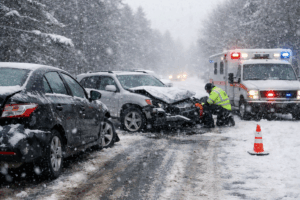
Winter in Virginia is unpredictable, with sporadic snowstorms, freezing rain, and unexpected icy patches that can make driving particularly dangerous. Unlike northern states that consistently deal with harsh winter conditions, Virginia drivers are often unprepared for sudden storms. As a result, roads that may seem relatively clear in the morning can quickly turn treacherous by afternoon, leading to accidents.
Winter conditions significantly affect road traction and visibility. Snow and ice reduce friction between the road surface and a vehicle’s tires, making it harder to stop or steer effectively. Even at slower speeds, vehicles may lose control, leading to crashes that, in less hazardous conditions, would likely have been minor. The presence of ice, especially black ice, increases the likelihood of minor crashes turning into dangerous accidents.
How Snow and Ice Increase the Severity of Accidents
One of the primary reasons winter accidents in Virginia are more severe is the impact of snow and ice on vehicle handling. Snow and ice dramatically reduce a car’s ability to grip the road. Even experienced drivers can find themselves losing control when driving on these slick surfaces. What might have been a low-speed fender bender can quickly escalate into a multi-car pileup or a head-on collision when road conditions are compromised.
Here’s how these weather conditions affect accidents:
- Stopping Distance: Wet or icy roads increase stopping distances significantly. In dry conditions, a car may come to a full stop in a few car lengths, but in winter conditions, it can take much longer. This delay can result in rear-end collisions that might seem minor but could lead to serious injuries, especially if vehicles are forced off the road or into other lanes.
- Slippery Surfaces: Ice, particularly black ice, can be almost invisible to drivers, making it one of the most dangerous winter hazards. Even slight contact with black ice can send a car spinning, leading to severe crashes that could involve multiple vehicles.
- Reduced Visibility: Snowstorms and fog can make it difficult for drivers to see what’s ahead. In low-visibility conditions, a minor fender bender may turn into a more dangerous situation as drivers cannot react in time to avoid a collision.
- Increased Impact: The icy roads mean that when cars collide, they are more likely to slide after impact, increasing the severity of the crash. Cars that would typically just bump into one another and move away from the impact may instead collide forcefully, causing greater damage and a higher risk of injury.
Whether you have been charged with a Criminal Offense, Serious Criminal Traffic Offense, or have been injured in an Accident that was not your fault, our First-Class Attorneys are not going to let you become a victim! With our experience, we will fight back, with you and for you, to get the results you deserve.Helping you fight back.




Why Minor Crashes Can Escalate Quickly
Minor crashes in the winter months often have a chain-reaction effect. A light tap on the bumper may seem insignificant, but in slippery conditions, it can lead to more serious consequences. Here’s why even small collisions on winter roads can turn into major accidents:
- Loss of Control: A small accident, like bumping another car at a stoplight, can lead to loss of control if either vehicle spins out of control. On icy or wet roads, what might normally be a simple tap could send the vehicle spinning, into a guardrail, or into oncoming traffic.
- Multiple Vehicle Involvement: Minor crashes, especially on busy highways or in inclement weather, can cause a domino effect. When cars collide, they can block lanes, leading to a pile-up as more vehicles become involved. Even if the initial crash is a minor fender bender, it can escalate into a multi-vehicle accident with potentially serious consequences.
- Injuries That Are Hard to Detect: In winter crashes, people may not immediately recognize the severity of their injuries. Shock, adrenaline, and cold temperatures can mask pain, and what seems like a minor injury can turn into a serious issue. Whiplash, sprains, or even broken bones may not become evident until hours after the crash.
- Emergency Response Delays: Winter weather conditions also delay emergency responders. Snow, ice, and heavy traffic can slow response times, leaving those injured in a minor crash at greater risk of further harm. The longer an injured person is left untreated, the more serious the consequences can become.
We are very pleased with the outstanding legal services provided by NovaLegalGorup and specifically Josh Wilson, Esq. He handled our very complex case professionally and gave us the utmost confidence in the outcome from our first discussion. He skillfully guided us through the process and of course achieved the outcome we needed. We strongly recommend Mr. Wilson and NovaLegalGroup.” - David & Kim The best law firm in the area for what they do. my opinion: Service received from this Law Firm was unique and satisfactory: Spencer Reiss provides professional advice, communicates with his clients, and is very knowledgeable and experienced in the field. The rest of the staff is very friendly and does their best to get you the answers you need." - Derek Van De Walle Joshua Wilson and Christopher Jacob are the two attorneys that I have been working with from Nova Legal Group. I have been very impressed so far, I have absolute confidence I could not have made a better choice. I definitely recommend this firm to anyone who may require their services." - Brian Mills
Common Winter Driving Hazards in Virginia
To better understand why winter crashes turn serious, it’s essential to know the most common driving hazards in Virginia during the colder months. Some of the biggest winter hazards include:
- Icy Bridges: Bridges freeze before roadways because they are exposed to the air on all sides. Even if the roads are just wet, bridges may have patches of ice that can lead to skidding accidents, especially for cars not equipped with snow tires.
- Slick Roadways After Rain or Snow: Virginia often experiences a mix of snow and rain during the winter months, leading to slick road conditions. Drivers who fail to slow down on wet or slushy roads may find themselves involved in accidents, as the roads lose traction.
- Wind: High winds, especially when combined with snow or rain, can reduce vehicle stability, making it harder to control a car. Trucks and larger vehicles are especially susceptible to high winds and can cause accidents if the wind causes them to swerve into other lanes.
- Snow Plows and Salt Trucks: While these vehicles help clear the roads, they can also present a hazard. Drivers who tailgate or fail to adjust their speed when passing snow plows or salt trucks may inadvertently cause an accident.
Choosing a Personal Injury Attorney Personal Injury Case TimelineRelated Videos
Tips for Avoiding Serious Crashes on Winter Roads
To stay safe on winter roads in Virginia, there are a few precautions you can take to reduce the risk of minor crashes escalating into more dangerous situations:
- Prepare Your Vehicle: Before the winter season begins, make sure your vehicle is winter-ready. Check tire pressure, ensure your car has snow tires if necessary, and make sure you have windshield wiper fluid that can handle cold temperatures. Keep an emergency kit in your car, including blankets, food, and a first aid kit.
- Drive Slower and Maintain Safe Distance: Always drive slower than usual on snow-covered or icy roads. This allows for greater stopping distance and better control of your vehicle. Keep at least 5-6 seconds of distance between your car and the one in front of you.
- Use Caution on Bridges and Overpasses: Bridges freeze more quickly than other roadways. Always slow down when approaching bridges, overpasses, and shaded areas that may be icy.
- Watch for Black Ice: Black ice is one of the most dangerous winter driving hazards. It’s often invisible, so you need to be cautious in conditions where it’s cold, and there may have been recent rain or snow. If you hit black ice, avoid sudden movements like sharp turns or slamming on the brakes.
- Be Aware of Changing Weather: Virginia’s winter weather can change quickly, so check weather reports before heading out and during your drive. If conditions worsen, it’s safer to stay put until roads are cleared and conditions improve.
What to Do if You’re Involved in a Winter Crash
If you are involved in a minor crash in winter conditions, there are several steps you should take to protect yourself:
- Stay Calm and Check for Injuries: First, check yourself and others involved for injuries. If anyone is hurt, call 911 immediately. Even if injuries seem minor, it’s essential to get checked by medical professionals.
- Move to Safety: If your vehicle is operable and it’s safe to do so, move your vehicle to the side of the road to avoid further accidents. Turn on your hazard lights to alert other drivers.
- Call the Authorities: Always report the crash, especially in icy conditions where the road may be hazardous. Police will file a report that can help with insurance claims and potential legal matters.
- Document the Scene: Take photos of the accident, road conditions, and any damage to your vehicle. Documenting the scene can be crucial if you need to file a claim or seek legal help later on.
Contact an Attorney: If you were injured in a winter crash, contact NovaLegalGroup, P.C. to discuss your legal options. A personal injury attorney can help you navigate the claims process and ensure you receive fair compensation for your injuries.