
The I-395 corridor in Virginia is a well-known hotspot for traffic congestion, particularly during fall weekends when weather conditions can drastically change the flow of traffic. As commuters navigate their way through the hustle and bustle of weekend travel, accidents become an unfortunate reality. However, when a pileup occurs, and multiple vehicles are involved, a critical question arises: who pays first when multiple insurers are involved?



Understanding the process and who is financially responsible can help drivers protect themselves in case of an accident. In Virginia, the insurance process for multi-vehicle accidents is influenced by the state’s fault-based insurance system, which can often complicate matters when multiple drivers or insurers are involved.
Fault-Based Insurance in Virginia 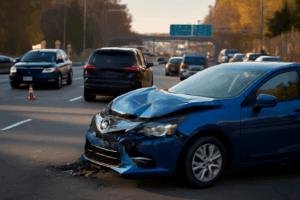
Virginia follows a fault-based insurance system, which means that the driver who causes the accident is typically responsible for covering the damages. This system is key to determining who is liable for an accident on I-395. In many cases, the at-fault driver’s insurance will be the primary payer for the damages. However, when multiple vehicles are involved in a pileup, determining liability and the sequence in which insurers pay can become more complex.
After an accident, the next step is for law enforcement to assess the situation and assign fault based on their investigation and evidence collected at the scene. A police report, which is a critical component of any accident claim, will usually indicate which driver or drivers are responsible for the accident.
However, things get complicated when there are multiple parties involved. If more than one driver is at fault, their insurance companies may each cover a portion of the damages based on the degree of fault assigned to them.
Whether you have been charged with a Criminal Offense, Serious Criminal Traffic Offense, or have been injured in an Accident that was not your fault, our First-Class Attorneys are not going to let you become a victim! With our experience, we will fight back, with you and for you, to get the results you deserve.Helping you fight back.




Primary and Secondary Insurance Coverage
When multiple vehicles are involved, understanding the difference between primary and secondary insurance coverage is crucial. The primary insurance is typically provided by the insurance company of the driver who is determined to be at fault. This insurer will usually cover the majority of the damages related to the accident, including vehicle repairs, medical expenses, and property damage.
If the at-fault driver’s insurance policy doesn’t provide enough coverage to cover the full extent of the damages, then the secondary insurance comes into play. In many cases, a secondary insurer will be the involved driver’s own underinsured motorist coverage, which can help cover any shortfall. If the at-fault driver has no insurance or insufficient coverage, the victim’s own insurance may step in as the secondary insurer. This is why uninsured and underinsured motorist coverage are vital components of Virginia’s auto insurance system, offering additional protection when the responsible driver doesn’t have sufficient coverage.
For example, imagine an accident on I-395 where one driver rear-ends another, and multiple vehicles are involved. If the at-fault driver’s insurance is insufficient to cover the damages, the victim’s own insurance will provide secondary coverage, filling the gap left by the at-fault driver’s policy.
We are very pleased with the outstanding legal services provided by NovaLegalGorup and specifically Josh Wilson, Esq. He handled our very complex case professionally and gave us the utmost confidence in the outcome from our first discussion. He skillfully guided us through the process and of course achieved the outcome we needed. We strongly recommend Mr. Wilson and NovaLegalGroup.” - David & Kim The best law firm in the area for what they do. my opinion: Service received from this Law Firm was unique and satisfactory: Spencer Reiss provides professional advice, communicates with his clients, and is very knowledgeable and experienced in the field. The rest of the staff is very friendly and does their best to get you the answers you need." - Derek Van De Walle Joshua Wilson and Christopher Jacob are the two attorneys that I have been working with from Nova Legal Group. I have been very impressed so far, I have absolute confidence I could not have made a better choice. I definitely recommend this firm to anyone who may require their services." - Brian Mills
The Role of Comparative Fault in Virginia
In Virginia, the legal doctrine of comparative fault applies when more than one party is deemed responsible for the accident. This means that each driver involved in the accident may be assigned a percentage of fault based on their involvement. The fault could be divided in various ways: for example, one driver may be deemed 70% at fault, and another may be 30% at fault.
When multiple parties share fault in an accident, insurance companies will pay their portion of the damages based on their degree of fault. This is where the challenge often lies: each insurer has its own policies for handling claims involving multiple parties. Therefore, determining who pays first depends largely on the circumstances of the crash and the degree of liability assigned to each driver.
If you are partially at fault for an accident, your own insurer may handle your claim. However, they could seek reimbursement from the other driver’s insurance if they were primarily at fault. If you are found to be completely at fault, then your own liability insurance will pay for the damages.
Steps to Take After an Accident on I-395
After any accident, especially in a multi-vehicle pileup, it is essential to act quickly and properly to protect your rights. Here are the critical steps to follow after being involved in an accident on I-395.
Choosing a Personal Injury Attorney Personal Injury Case TimelineRelated Videos
First, call law enforcement immediately. Always report the accident to the police so that they can investigate the situation and create an official report. This report will be an essential part of your insurance claim and any potential legal actions. It will document the facts of the accident, including witness statements, road conditions, and any other details that can help determine fault.
Next, exchange information with all involved drivers. This includes their names, contact information, driver’s license numbers, license plate numbers, and, most importantly, insurance details. Make sure to gather the insurance provider’s name, policy number, and phone number for each party.
Then, document the scene thoroughly. Take photographs of the accident scene, the damage to all vehicles, and any visible injuries. This will help provide evidence for both your insurance company and any legal representatives you may need in the future.
Notify your insurance provider promptly. Call your insurance company and report the accident. Even if you are not at fault, it is essential to inform them as soon as possible. They will guide you through the claims process and help you understand what to expect in terms of coverage.
Consult with an attorney. If you are dealing with a complex insurance claim involving multiple insurers or severe damages, it may be beneficial to consult with a personal injury attorney who specializes in accident cases. An attorney can help you navigate the complexities of the claims process and ensure that you receive the compensation you deserve.
The Importance of Legal Help in Accident Claims
While Virginia’s fault-based system can seem straightforward, the realities of insurance claims often complicate matters. Insurance companies may attempt to minimize payouts, and the comparative fault rule can make it challenging to secure fair compensation if you are partially at fault. This is why working with an experienced attorney is essential, especially when multiple insurers are involved.
At NovaLegalGroup, we specialize in helping victims of accidents navigate the legal and insurance complexities associated with crashes on I-395 and other roads in Virginia. Our team can provide valuable guidance, help you understand your rights, and ensure that you are treated fairly throughout the claims process. Whether you need assistance negotiating with your insurance company or are pursuing a lawsuit against a negligent driver, having a skilled lawyer by your side can make all the difference.
Understanding how liability works when multiple insurers are involved in a multi-vehicle accident on I-395 is crucial for any driver. Virginia’s fault-based insurance system and the comparative fault rule can create confusion, especially in pileup accidents. However, by knowing the process, acting quickly after the accident, and working with experienced legal professionals, you can protect your rights and secure the compensation you deserve.
If you have been involved in an accident on I-395, don’t hesitate to contact NovaLegalGroup for a consultation. Our team is ready to assist you and ensure that you receive the full support needed to recover from your accident, both physically and financially.