
Car accidents are stressful enough without having to navigate through the complexities of insurance claims, legal battles, and disputed faults. But in today’s world of advanced technology, dash cams have emerged as an invaluable tool that can provide clarity and peace of mind in the aftermath of an accident. In Virginia, dash cam footage has the potential to significantly impact your car accident case, either by strengthening your claim or by creating complications. Understanding how dash cam footage works in the context of your car accident claim is crucial. This blog will explore how dash cam footage can help or hurt your case in Virginia and provide you with essential insights into using this technology effectively.




How Dash Cam Footage Can Help Your Car Accident Case 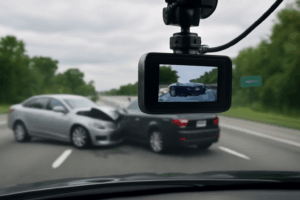
Dash cam footage is often the first thing that comes to mind when people think about using technology to support a car accident claim. This is for good reason—it can serve as a key piece of evidence in determining fault and protecting your rights.
Clear Evidence of Fault
One of the most significant advantages of dash cam footage is that it provides clear, objective evidence of what happened during the accident. This footage can be crucial when it comes to proving who was at fault. In a car accident claim, both parties typically present their version of the events. However, dash cam footage is an impartial observer, capturing what actually took place. If another driver was speeding, running a red light, or failing to yield, this can be captured on video. In the case that the other driver tries to deny their actions, having footage that shows their behavior can be incredibly helpful in proving your side of the story.
Dash cam footage can also demonstrate that you were not at fault. If, for example, the footage shows that you were following traffic laws and that the other driver was behaving erratically or dangerously, it can support your claim that you were not responsible for the accident. This video evidence can strengthen your position and ensure that you are not held liable for the accident if you were not at fault.
Documenting the Scene and Road Conditions
In addition to showing who caused the accident, dash cam footage can document other important factors, such as road conditions, weather, and visibility. These elements can help explain why the accident happened and provide context for the situation. For instance, if the footage shows that the road was wet or icy, this could help explain why the accident occurred, especially if the other driver lost control due to these conditions.
Whether you have been charged with a Criminal Offense, Serious Criminal Traffic Offense, or have been injured in an Accident that was not your fault, our First-Class Attorneys are not going to let you become a victim! With our experience, we will fight back, with you and for you, to get the results you deserve.Helping you fight back.




Similarly, if there were any traffic signs, signals, or road hazards that contributed to the accident, dash cam footage can provide a visual record. It can also show things like poorly marked lanes, obscured signs, or other road-related issues that may have been a factor in the accident. This documentation can be valuable when proving your case, especially if you’re trying to establish that an external factor played a significant role in the crash.
Verifying Insurance Claims and Preventing Disputes
When dealing with insurance companies, dash cam footage can be a powerful tool for verifying your claim and preventing any disputes. Insurance companies rely on the information provided by both parties involved in the accident to determine liability. In cases where there is a disagreement or lack of clarity, dash cam footage can serve as a neutral party to resolve the issue. Having clear evidence of what happened can speed up the claims process and make it easier to prove that you were not at fault.
For example, if another driver tries to deny their role in the accident, the footage can directly show their actions and help settle the matter. Dash cam footage can also be used to verify your version of events and provide confirmation that you were following the rules of the road.
Protecting You from False Claims
Unfortunately, some individuals may try to shift the blame onto you, especially if they know that insurance companies often rely on the statements of both drivers to assess a claim. In these cases, dash cam footage can protect you from false accusations and provide an unbiased record of the event. If the other driver is attempting to deflect blame, the footage can help refute their claims and ensure that you are not unfairly held responsible for the accident.
We are very pleased with the outstanding legal services provided by NovaLegalGorup and specifically Josh Wilson, Esq. He handled our very complex case professionally and gave us the utmost confidence in the outcome from our first discussion. He skillfully guided us through the process and of course achieved the outcome we needed. We strongly recommend Mr. Wilson and NovaLegalGroup.” - David & Kim The best law firm in the area for what they do. my opinion: Service received from this Law Firm was unique and satisfactory: Spencer Reiss provides professional advice, communicates with his clients, and is very knowledgeable and experienced in the field. The rest of the staff is very friendly and does their best to get you the answers you need." - Derek Van De Walle Joshua Wilson and Christopher Jacob are the two attorneys that I have been working with from Nova Legal Group. I have been very impressed so far, I have absolute confidence I could not have made a better choice. I definitely recommend this firm to anyone who may require their services." - Brian Mills
How Dash Cam Footage Can Hurt Your Car Accident Case
While dash cam footage can provide critical support for your case, it’s important to understand that there are instances when it might not work in your favor. In some situations, dash cam footage could actually hurt your case and complicate matters.
Edited or Altered Footage
Dash cam footage can be disqualified as evidence if it is found to have been altered or edited in any way. For your footage to be admissible in court or accepted by insurance companies, it must remain in its original, unaltered form. Even small edits, such as cutting out certain parts of the video or adding effects, can compromise the integrity of the footage and undermine its credibility. If your footage is tampered with, it can lead to questions about its authenticity, and the opposing party may argue that it has been manipulated to fit your narrative.
To ensure that your footage remains credible, it’s crucial that you preserve it in its original form, with no edits or alterations. You should also back up the footage and keep it stored securely in case it is needed for your case. If you suspect that the other party has tampered with the footage, it’s essential to have an expert review the video to check for signs of editing.
Footage That Shows Your Own Fault
While dash cam footage can be a powerful tool in proving that the other driver was at fault, it can also have the opposite effect. If your dash cam captures footage showing that you were the one responsible for the accident, this could hurt your case. For example, if the video shows that you were speeding, texting, or violating traffic laws just before the crash, it could be used against you in court. In such cases, your dash cam footage could serve as clear evidence that you were negligent, which could lead to you being found liable for the accident.
If you’re worried about this possibility, it’s important to carefully review your dash cam footage to see what it shows. If it reveals that you were at fault in any way, you may want to consider seeking legal advice before using the footage as part of your case.
Choosing a Personal Injury Attorney Personal Injury Case TimelineRelated Videos
Privacy and Legal Issues
Virginia is a one-party consent state when it comes to recording audio, but there are still potential legal issues to consider. If your dash cam records audio, it’s important to be aware that there may be privacy concerns. In some situations, the recording of audio inside the vehicle could violate state or federal laws, especially if it includes conversations with passengers who have not consented to being recorded.
To avoid potential legal complications, it’s a good idea to disable the audio recording feature on your dash cam, or at least ensure that all parties in the vehicle are aware that their conversations may be recorded. If you are concerned about privacy issues, it’s always best to consult with an attorney who can help ensure that the footage is legally admissible.
Low-Quality or Inconclusive Footage
Not all dash cams are created equal, and some may produce footage that is too blurry, shaky, or difficult to interpret. If your footage is of poor quality, it might not provide the clarity needed to support your case. For example, if the video is too dark, grainy, or unclear, it may be challenging for the court or insurance companies to determine exactly what happened during the accident. In such cases, the footage could hurt your case instead of helping it.
To avoid this issue, it’s important to invest in a high-quality dash cam that produces clear, detailed footage. You should also check your dash cam regularly to ensure that it is working properly and that the footage it captures is of sufficient quality.
Tips for Using Dash Cam Footage in Your Case
If you have dash cam footage and want to use it in your car accident case, here are a few tips to ensure it is effective:
- Preserve the Original Footage: Always keep the footage in its original, unaltered form. Any edits or changes could make it inadmissible as evidence.
- Consult an Attorney: Before using your dash cam footage in your case, consult with an experienced personal injury attorney. They can help you assess whether the footage is helpful and how best to present it in your claim.
- Use Dash Cam Footage as Supporting Evidence: While dash cam footage can be valuable, it’s typically best to use it alongside other forms of evidence, such as witness statements, police reports, and photographs of the scene.
- Be Mindful of Legal Issues: If your dash cam records audio, be cautious about privacy concerns and ensure that you comply with Virginia’s recording laws. If in doubt, seek legal advice.
Dash cam footage can be a powerful asset in a car accident case in Virginia, providing clear evidence that can support your claim and help determine fault. However, it’s important to understand that dash cam footage can also have drawbacks if it shows you at fault or if it is of poor quality. By following best practices and consulting with an attorney, you can ensure that your dash cam footage strengthens your case and helps you get the compensation you deserve. Always remember to preserve the original footage, avoid editing it, and be aware of any legal concerns related to audio recordings.
If you’re dealing with a car accident case in Virginia and need legal assistance, NovaLegalGroup, P.C. is here to help. Contact us today for a free consultation, and let us fight for the compensation you deserve.